24x7 support for couples
Questions about cost, time off work or which treatment suits you? Our counsellors are a call or a message away.
0% no-cost EMI available
Laser Assisted Hatching
A precise laser opens a tiny gap in the embryo’s outer shell to help it implant.
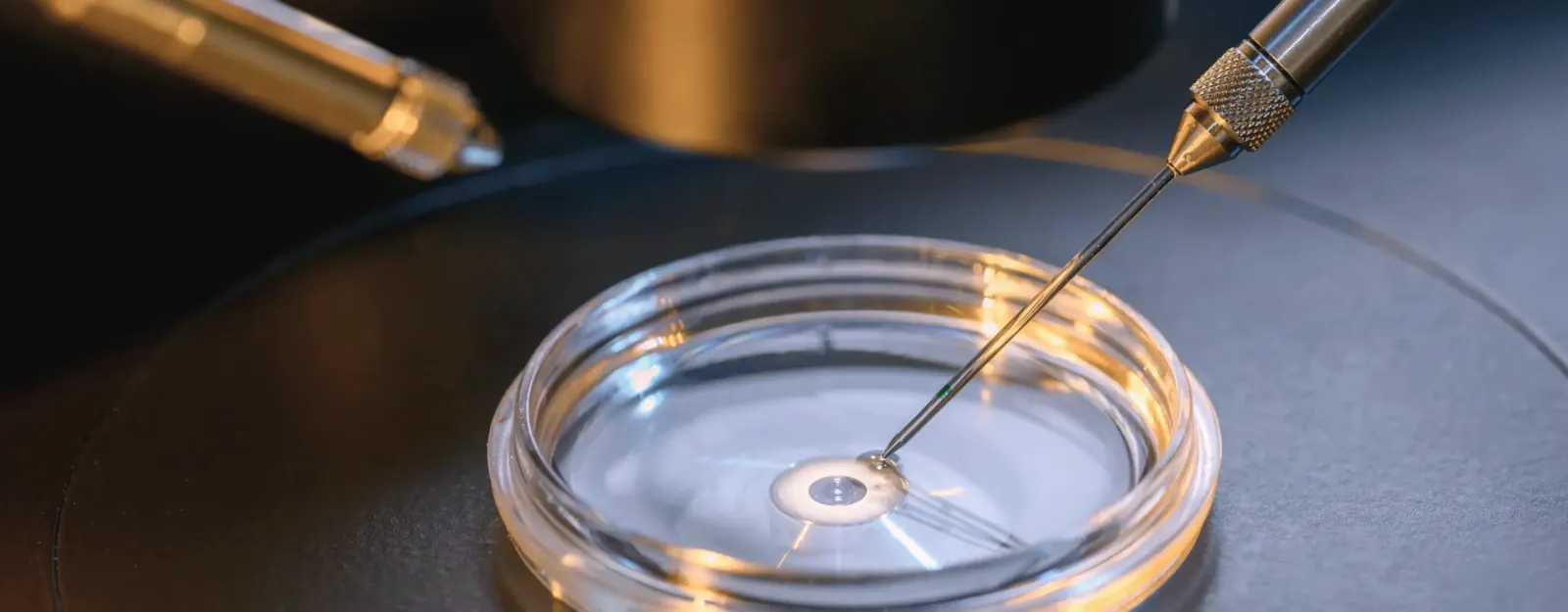
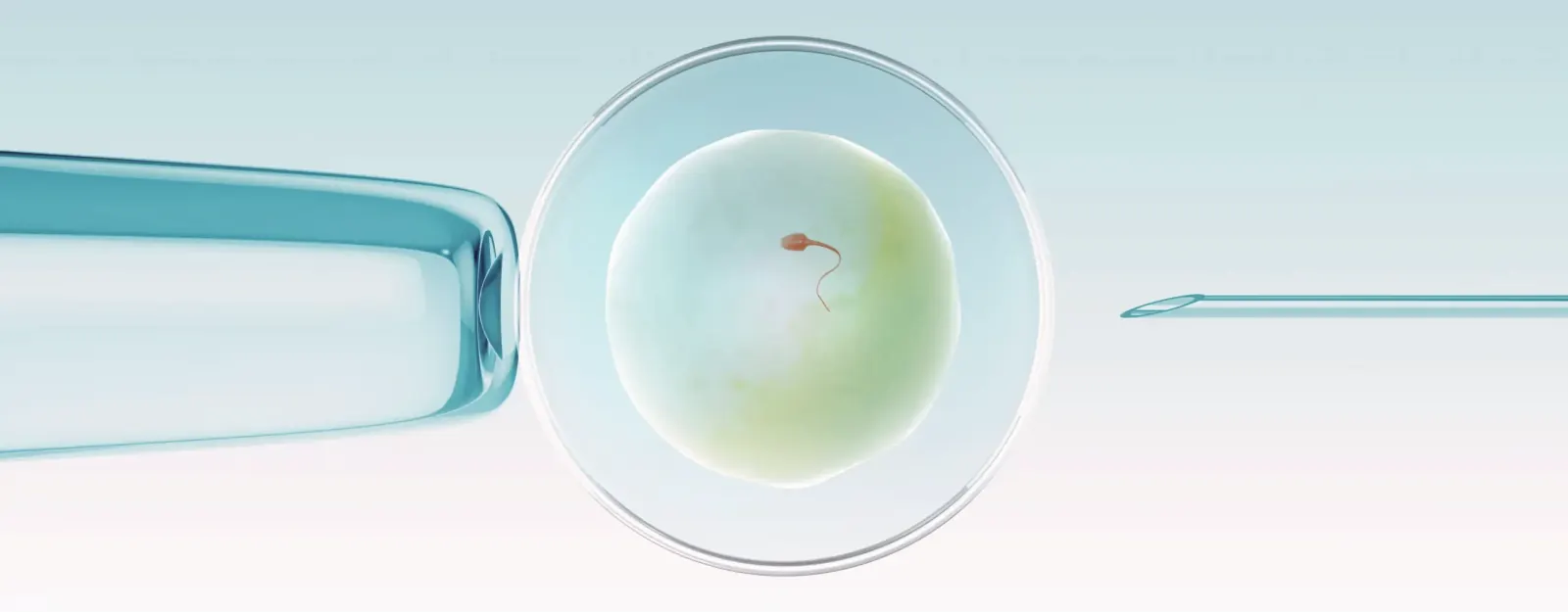
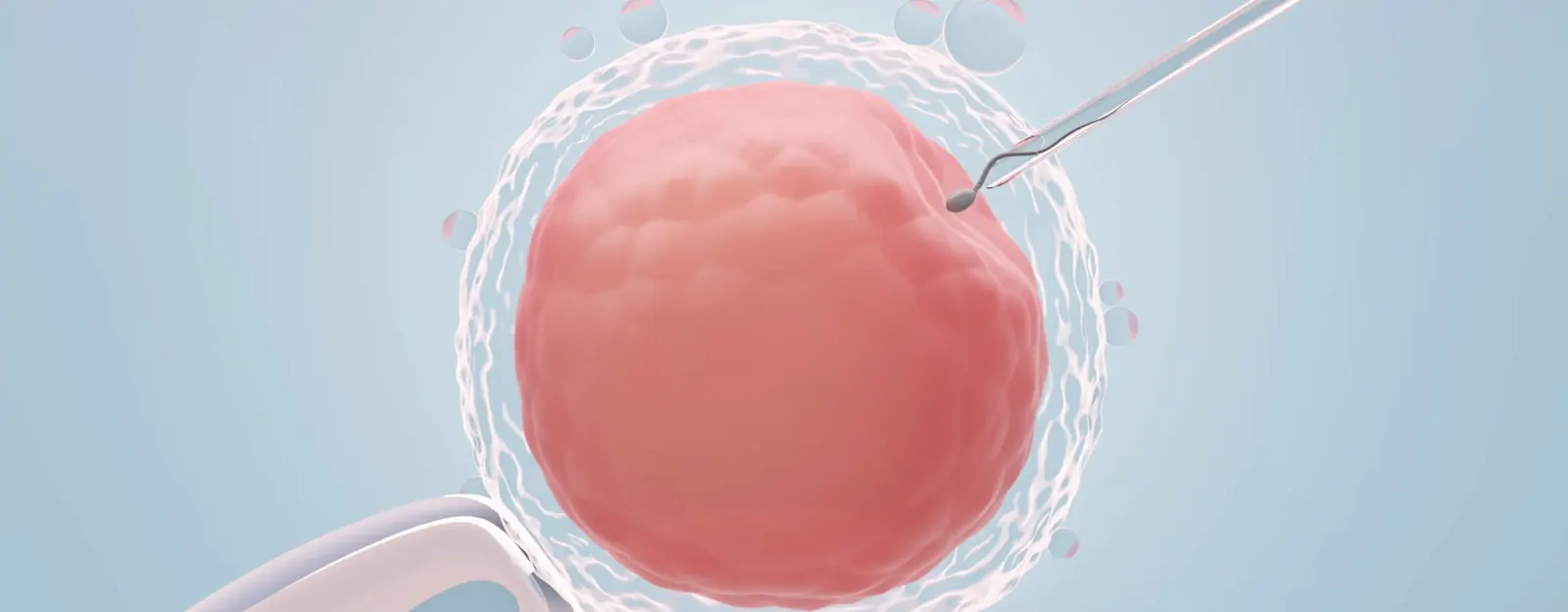
Before an embryo can implant, it has to hatch out of its outer shell, the zona pellucida. With laser assisted hatching, our embryologist uses a precise laser under the microscope to make a tiny, controlled opening in that shell.
The opening can help the embryo hatch and attach to the lining of the uterus. It is done in the lab, so there is nothing extra for you to go through.
Why couples choose it
- Can help embryos with a thick outer shell
- Useful in frozen embryo transfers
- Considered for women over 35
- Painless for you, done in the lab
- Performed to strict lab standards
In the lab
nothing extra for you
Micro-precise
a controlled laser opening
How laser hatching works
- 01
Embryo assessment
The embryologist checks the embryo and the thickness of its shell.
- 02
Laser opening
A few precise laser pulses make a small opening in the zona pellucida.
- 03
Transfer
The embryo is transferred to the uterus as planned.
Who it can help
- Women over 35
- Frozen and thawed embryos
- Earlier implantation failure
- Embryos with a thick outer shell
Laser hatching, your questions answered

Who can benefit from laser assisted hatching?
It is most often considered for women over 35, for frozen embryos, after earlier implantation failure, and when the embryo’s outer shell is thick.
Is laser assisted hatching painful?
No. It is done on the embryo in the laboratory and causes you no pain at all.
You may also want to know about
Take the first step to parenthood
Meet a fertility specialist at a centre near you. One conversation is all it takes to begin.